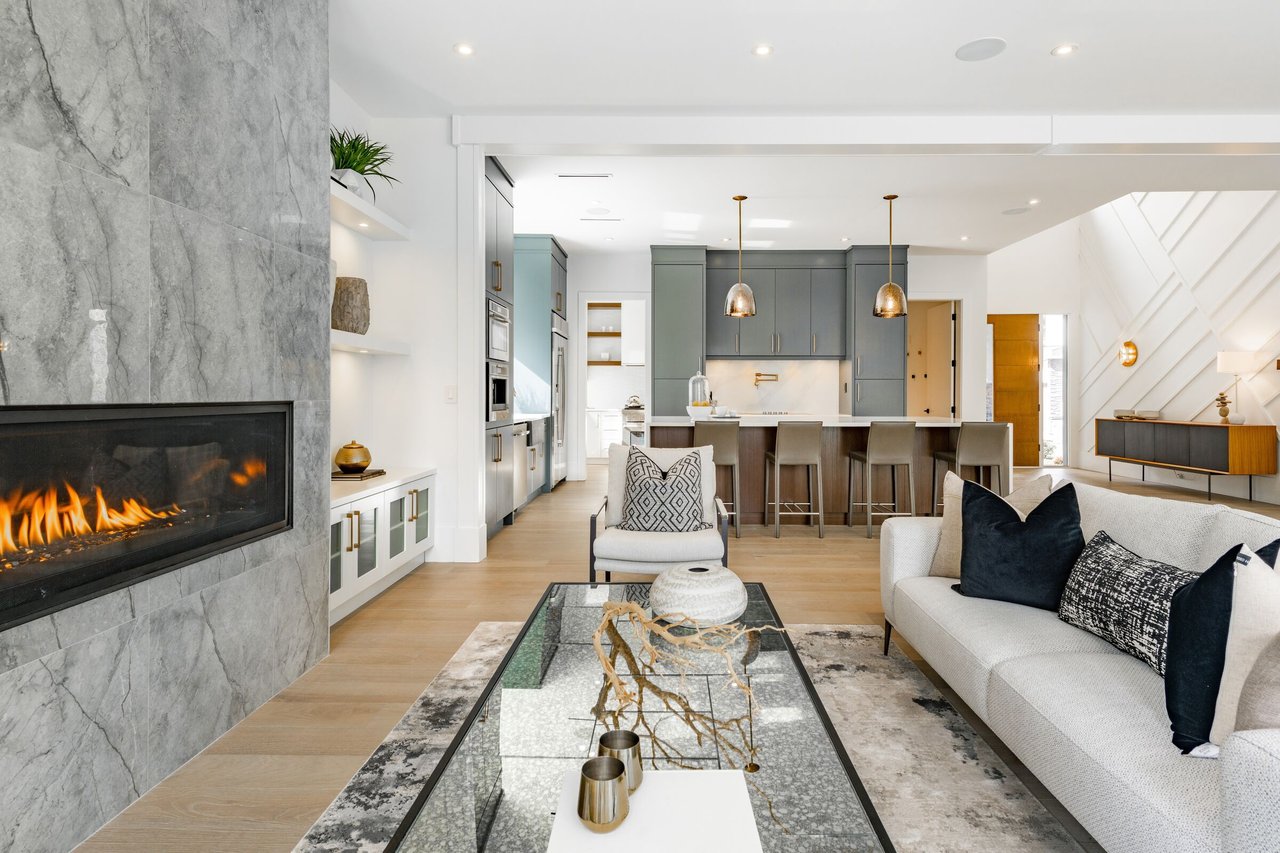
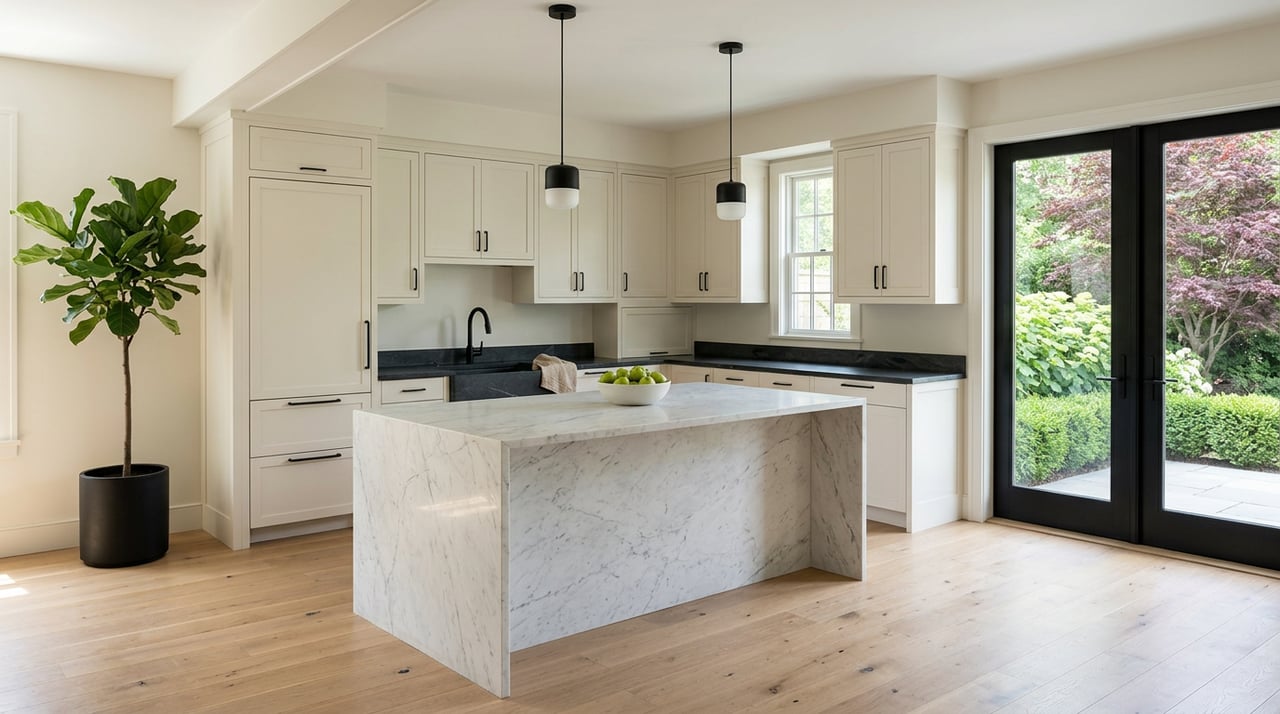
Selling a luxury home in Potomac is a high‑stakes project where small decisions can shift your net by tens of thousands of dollars. With median sale prices in the seven figures, even a 1 percent swing matters. If you want a plan that protects your bottom line, respects your privacy, and fits your timing, you’re in the right place. Below is a clear, 6 to 18 month roadmap that prioritizes ROI, compliance, and a launch strategy built for Potomac’s luxury market. Let’s dive in.
Potomac market signals to guide your plan
Potomac’s price band is elevated, and well‑prepared listings can move quickly. Recent public data show average home values around the mid‑$1 million range and a median days‑to‑pending in roughly three to four weeks. That velocity rewards thoughtful preparation.
Potomac’s buyer pool includes local executives, federal and contractor households, and professionals who commute around the D.C. area. Household income levels are among the region’s highest, according to U.S. Census QuickFacts, which supports demand for larger, well‑appointed homes. Many buyers also factor in school assignments, commute options, and property privacy in their decisions.
Micro‑markets matter. Price per square foot can vary by ZIP and neighborhood. Anchor your pricing to the most relevant comps in your immediate area rather than broad averages. Seasonally, spring often delivers strong results, but a property that is well presented and marketed can perform in any season. Readiness beats calendar.
Your 6 to 18 month plan
Step 1: Set clear objectives
Start with numbers and logistics. Define your target net proceeds, a minimum acceptable offer, your preferred closing window, and whether you need rent‑back or a relocation buffer. Clear guardrails keep later decisions crisp.
Step 2: Measure condition and comps
Order a comparative market analysis focused on your micro‑neighborhood. If the home is unique or large, consider a preliminary appraiser opinion. A seller’s pre‑listing inspection can surface issues on your schedule and reduce renegotiation risk. The Washington Post explains how pre‑inspections help keep deals together.
Step 3: Prioritize investments with data
Use national Cost vs Value benchmarks and neighborhood comps to decide where each dollar does the most good. Minor or midrange updates often recoup more than major gut jobs. Review current benchmarks at Cost vs Value. For presentation decisions, the NAR Profile of Home Staging outlines what influences buyer behavior most.
Step 4: Build your pricing and marketing plan
Decide whether to price‑to‑compete or price‑to‑net based on comps, condition, and your timeline. Then align the launch calendar with when your home will show its best. Quality photography, a compelling narrative, and controlled showing protocols are essential in Potomac’s price band.
If listing in about 6 months
- Complete a full declutter and deep clean; repaint main areas in neutral tones.
- Address visible wear: lighting, hardware, grout, floor refinishing or repair.
- Consider a pre‑listing inspection to reduce surprises.
- Stage primary rooms and book magazine‑quality photos, floorplans, and a 3D tour. NAR’s staging report highlights the impact of visuals and layout tools for buyers. See the 2025 NAR staging profile.
If listing in 6 to 12 months
- Tackle moderate updates with solid payback: a kitchen refresh, bath updates, and landscaping enhancements.
- Service major systems and address roof, drainage, or electrical panel issues if flagged.
- Use Cost vs Value to right‑size scopes before you bid work.
If listing in 12 to 18 months
- Consider larger projects only if your comp set supports them and your permit timeline is realistic.
- Remember that major upscale renovations often recoup a smaller percentage of cost nationally. Validate with Cost vs Value, then calibrate to Potomac comps.
What to prioritize for ROI
High‑ROI first moves
- Curb appeal and entry sequence. Garage and entry door improvements, fresh landscaping, mulch, and exterior lighting show up high on national recoup lists. Check current rankings at Cost vs Value.
- Neutral paint, updated lighting, refreshed hardware, and floor repair or refinish. These deliver outsized perceived value for modest spend.
- Professional photos, floorplans, and targeted staging of key rooms. Buyers rely on visuals and tours. The NAR staging profile underscores their importance.
Medium‑priority upgrades
- Kitchen: prefer a right‑sized refresh, such as new appliances, countertops, and cabinet refacing, over a full gut unless local comps demand it. Nationally, minor kitchen remodels often recoup more than upscale overhauls. See Cost vs Value.
- Baths: targeted midrange updates to tile, vanity, and lighting typically perform better on a percentage recoup basis than luxury gut jobs.
- Mechanical and safety items: HVAC, roof repairs, drainage, and electrical panels. These may not have headline ROI, but they protect deals and buyer confidence.
Context‑dependent investments
- Large additions or high‑end custom work. These often recoup a smaller share of cost unless your comp set clearly supports them. Validate with Cost vs Value.
- Pools and elaborate outdoor packages. In Potomac, align with neighborhood expectations and comparable listings. Many outdoor hardscape projects show lower average recoup.
Permits, inspections, and disclosures in Maryland
Maryland seller disclosure basics
Maryland requires sellers to deliver either a Residential Property Disclosure Statement or a Residential Property Disclaimer Statement. Latent defects must be disclosed under Md. Real Property §10‑702. Review the statute at law.justia.com and consult your advisor for form completion.
Lead‑based paint for pre‑1978 homes
Federal rules require sellers of pre‑1978 homes to provide the EPA/HUD pamphlet, disclose known lead hazards, and allow a 10‑day window for buyer testing if requested. See an overview of current requirements in this peer‑reviewed summary.
Montgomery County permitting
Confirm permitting early if you plan renovations. Simple projects may qualify for Residential Fast Track, while structural work can take several weeks or more. Start with Montgomery County’s Department of Permitting Services guidance.
Pre‑listing inspections
A seller‑ordered inspection can reduce renegotiation risk and let you fix items on your timeline. The Washington Post explains the benefits. Typical single‑family pre‑listing inspections run a few hundred dollars, scaling with size and scope. See a cost overview from a local provider here.
Pricing and launch strategy for Potomac luxury
Build a defensible list price
Use a micro‑neighborhood CMA with recent closed comps. If comps are thin, supplement with a pre‑listing appraisal. In the luxury tier, buyers will pay a premium for a well‑presented home that needs little immediate work.
Time the launch thoughtfully
Spring often brings strong traffic and pricing, but the best date is the one when your home is fully ready. A polished early fall launch usually outperforms a rushed spring debut.
Market to reach qualified buyers
Invest in magazine‑quality photography, twilight images, drone for acreage, Matterport 3D, accurate floorplans, and a curated brochure. The NAR staging profile shows how visuals and tours shape buyer behavior. For very high‑end listings, targeted broker outreach and controlled showings help protect privacy while reaching serious prospects. Through Long & Foster and its affiliation with Forbes Global Properties, your listing can reach qualified audiences beyond generic syndication.
Quick decision matrix
- Short runway, tight budget, firm net goal: focus on presentation wins first. Declutter, paint, lighting, curb appeal, primary‑room staging, plus a pre‑listing inspection to avoid repair surprises.
- Moderate runway, moderate budget, strong net goal: add a kitchen or bath refresh and system servicing. Finish work 2 to 6 weeks before photography.
- Long runway, flexible budget, top‑tier net goal: consider selective larger projects only if comps support them and permits can conclude well before launch. Otherwise, double down on presentation and marketing quality.
Pre‑list checklist
- Gather permits, warranties, and major service records for buyer due diligence.
- Book a pre‑listing inspection and address safety or system issues. See the Washington Post guidance.
- Declutter, deep clean, repaint key areas, and fix visible defects.
- Refresh landscaping, power wash, and confirm night lighting reads well from the street.
- Schedule professional photography, floorplans, and a 3D tour once staging is complete. NAR’s research on visuals is summarized in the 2025 staging profile.
Work with a boutique advisor
In Potomac’s luxury market, outcomes are built before you go live. My process is direct and strategy‑led: define your objectives, set a defensible price, invest only where it pays, and launch with layered, privacy‑minded marketing. If you want one accountable advisor from planning to closing, let’s connect. Reach out to Ted Duncan to start a confidential conversation.
FAQs
Should I gut my kitchen before selling a luxury home in Potomac?
- Not by default. National data show minor and midrange kitchen remodels often recoup a higher share of cost than upscale gut jobs. Use Cost vs Value and local comps to decide.
How much should I budget for staging and photos for a Potomac luxury listing?
- NAR reports a median seller spend around $1,500 for staging, with luxury scopes often higher; high‑quality photos, floorplans, and virtual tours are baseline expectations. See the NAR staging profile.
Do I need a pre‑listing inspection when selling in Maryland?
- It is optional but recommended to reduce surprises and protect your negotiating position. The Washington Post outlines the benefits, and typical costs are a few hundred dollars.
What disclosures are required when selling a home in Maryland?
- Maryland requires either the Residential Property Disclosure Statement or the Residential Property Disclaimer Statement, and latent defects must be disclosed. Review Md. Real Property §10‑702 at law.justia.com.
What are the lead‑based paint rules if my home predates 1978?
- Federal law requires you to provide the EPA/HUD pamphlet, disclose known hazards, and allow a 10‑day testing window if the buyer chooses. See an overview here.